
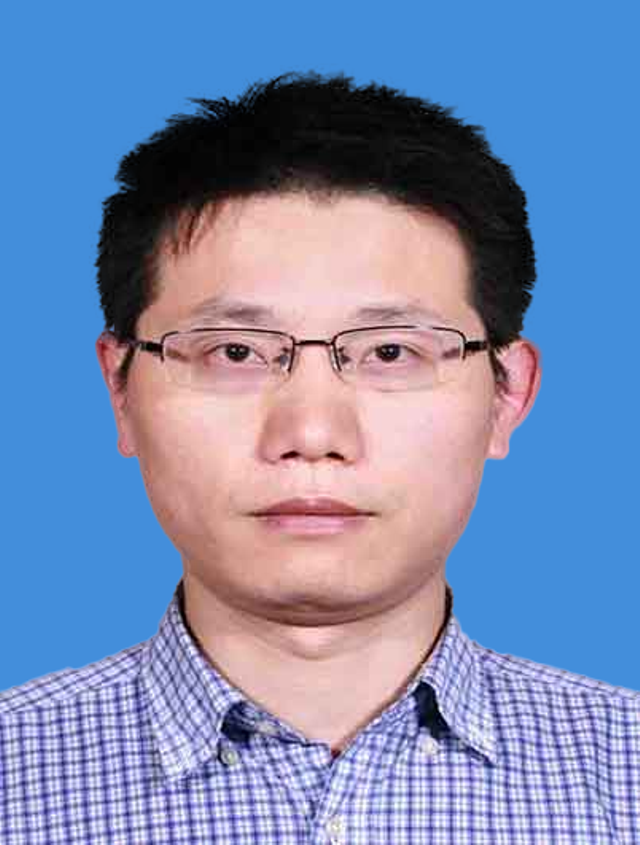
Geng Junhua, Associate Professor
Email: gengjunhua@seu.edu.cn
Location: Huichuan Building, No. 2 Dongda Road, Pukou District, Nanjing
Personal Profile:
Dr. Geng earned a bachelor’s degree in Biotechnology from Anhui Agricultural University, a master’s degree in Genetics from Southeast University, and a doctoral degree in Cell Biology from Beijing Normal University. He then completed postdoctoral training at the University of Southern California before joining the School of Life Science and Technology at Southeast University in 2018.
Research area: Synaptic Structure and Function, Associated with Diseases
Neurons communicate through synapses, and deciphering the molecular architecture of these synapses—together with the dynamic changes that occur during neural activity—is essential for unlocking the brain’s mysteries. Activity-dependent signaling regulates local protein synthesis and assembly, post-translational modifications of synaptic proteins, and ultimately synaptic function, allowing neural circuits to adapt rapidly to external stimuli. We combine genetics, biochemistry and molecular biology, cell biology, and electron microscopy to investigate how synaptic proteins are modified and regulated, how multi-protein machines are assembled, and how these processes shape synaptic structure and function. Our overarching goal is to reveal the mechanisms by which neural activity controls synaptic development and plasticity, thereby providing a theoretical framework for preventing and treating disorders linked to aberrant synaptic plasticity.
Publications:
1.Zhao Yu#, Geng Junhua*, Meng Zhu, Sun Yichen, Ou Mengzhu, Xu Lizhong, Moyi Li, Gan Guangming, Rui Menglong, Han Junhai, Xie Wei*. Neurexin facilitates glycosylation of Dystroglycan to sustain muscle architecture and function in Drosophila. Commun Biol, 2024, 7, 1481.
2.Gan Guangming*, Chen Mei, Yu Qinfeng, Gao Xiang, Zhang Chenchen, Sheng Qingyuan, Xie Wei, Geng Junhua*. Neurexin and neuroligins jointly regulate synaptic degeneration at the Drosophila neuromuscular junction based on TEM studies. Front Cell Neurosci, 2023, 17:1257347.
3.Gan Guangming*; Chen Mei; Zhang Chenchen; Xie Wei; Geng Junhua*. Improved analysis method of neuromuscular junction in Drosophila larvae by transmission electron microscopy. Anat Sci Int, 2021,
4.Peng Yi-Jheng#; Geng Junhua#; Wu Ying; Pinales Cristian; Langen Jennifer; Chang Yen-Ching; Buser Christopher; Chang Karen T.*. Minibrain kinase and calcineurin coordinate activity-dependent bulk endocytosis through synaptojanin, J Cell Biol, 2021, 220 (12): e202011028.
5.Lee Joo Yeun; Geng Junhua; Lee Juhyun; Wang Andrew R.; Chang Karen T. *. Activity-Induced Synaptic Structural Modifications by an Activator of Integrin Signaling at the Drosophila Neuromuscular Junction. The Journal of Neuroscience, 2017, 37:3246-3263.
6.Geng Junhua#; Xia Lu#; Li Wanjie; Zhao Changqi; Dou Fei*. Cycloheximide Treatment Causes a ZVAD-Sensitive Protease-Dependent Cleavage of Human Tau in Drosophila Cells. Journal of Alzheimer's Disease, 2016, 49:1161-1168.
7.Geng Junhua#; Wang Liping#; Lee Joo Yeun; Chen Chun-Kan; Chang Karen T.*. Phosphorylation of Synaptojanin Differentially Regulates Endocytosis of Functionally Distinct Synaptic Vesicle Pools. The Journal of Neuroscience, 2016, 36:8882-8894.
8.Geng Junhua; Xia Lu; Li Wanjie; Dou Fei*. The C-terminus of tau protein plays an important role in its stability and toxicity. Journal of Molecular Neuroscience, 2015, 55:251-259.
Full list of publications: https://orcid.org/0000-0001-5817-8870